%2Ffit-in%2F250x250%2Fguide_websites%2F72813%2Fimages%2F1768272041333unnamed.jpg&w=1920&q=100)
/users/cce05566-e148-4b80-9c24-6ba6ba5fcede/ratecard/513743438_122243943410206123_2342388087309975814_n-mkbyizko.jpg)
%2F300x300%2Fusers%2Fcce05566-e148-4b80-9c24-6ba6ba5fcede%2Fratecard%2F513743438_122243943410206123_2342388087309975814_n-mkbyizko.jpg&w=256&q=75)
%2F300x300%2Fusers%2Fcce05566-e148-4b80-9c24-6ba6ba5fcede%2Fimages%2Fwalton-catfish-catch-2798.jpg&w=256&q=75)
%2F300x300%2Fusers%2Fcce05566-e148-4b80-9c24-6ba6ba5fcede%2Fimages%2Fblue-catfish-caught-in-walton-2728.jpg&w=256&q=75)
%2F300x300%2Fusers%2Fcce05566-e148-4b80-9c24-6ba6ba5fcede%2Fimages%2Fwhite-catfish-ks-fishing-2742.jpg&w=256&q=75)
%2F300x300%2Fusers%2Fcce05566-e148-4b80-9c24-6ba6ba5fcede%2Fimages%2Fchannel-catfish-fishing-ks-2796.jpg&w=256&q=75)
%2F300x300%2Fusers%2Fcce05566-e148-4b80-9c24-6ba6ba5fcede%2Fimages%2Fwhite-catfish-caught-ks-2702.jpg&w=256&q=75)
%2F300x300%2Fusers%2Fcce05566-e148-4b80-9c24-6ba6ba5fcede%2Fimages%2Fblue-catfish-walton-2744.jpg&w=256&q=75)
%2F300x300%2Fusers%2Fcce05566-e148-4b80-9c24-6ba6ba5fcede%2Fimages%2Fblue-catfish-walton-fishing-2777.jpg&w=256&q=75)
%2F300x300%2Fusers%2Fcce05566-e148-4b80-9c24-6ba6ba5fcede%2Fimages%2Fblue-catfish-kansas-fishing-2744.jpg&w=256&q=75)
%2F300x300%2Fusers%2Fcce05566-e148-4b80-9c24-6ba6ba5fcede%2Fimages%2Fblue-catfish-walton-fishing-2780.jpg&w=256&q=75)
%2F300x300%2Fusers%2Fcce05566-e148-4b80-9c24-6ba6ba5fcede%2Fimages%2Fbest-great-fishing-walton-2661.jpg&w=256&q=75)
Full Day Catfish Walleye Trip Milford Lake KS
 Milford Lake
What you will be catching:
 Blue Catfish
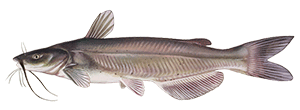 Flathead Catfish
 White Catfish
- 8-hour guided catfish excursions targeting blue and flathead species
- All equipment, bait, and tackle provided aboard spacious SeaArk vessel
- Flexible morning or afternoon departure times with expert instruction
Trip Pricing and Availabilities:
Full Day Catfish Fishing Trip on Milford Lake
Looking for a real catfish adventure that gives you plenty of time to work the waters? Our 8-hour guided trip on Milford Lake is exactly what serious anglers have been asking for. Guide Merlyn knows every productive channel, creek mouth, and structure on this massive Kansas reservoir, and he's ready to put you on some serious whiskers. Whether you're bringing the family for their first taste of catfishing or you're a seasoned angler wanting to target trophy flatheads and blues, this full-day experience gives you the hours needed to really dial in the bite. We handle all the gear, bait, and know-how – you just bring your appetite for some rod-bending action.
What to Expect on the Water
Your day starts with a choice – either the early 8 AM departure for those who love the morning bite, or the 1 PM launch if you prefer to sleep in and fish into the evening hours. Guide Merlyn will have you aboard the spacious SeaArk Pro Cat 240, a boat designed specifically for serious catfish pursuits with plenty of room for two anglers to spread out and work multiple rods comfortably. This isn't some cramped fishing experience where you're bumping elbows – you'll have space to move, stretch, and really enjoy the process. The extended 8-hour format means we're not rushed to hit just the obvious spots. Instead, we can work different areas based on what the fish are telling us, adjust techniques as conditions change, and really maximize your time with lines in the water. All you need to bring is a valid Kansas fishing license, plus whatever snacks and drinks will keep you fueled for the full day adventure.
Techniques and Tackle Details
Milford Lake's catfish respond to specific presentations, and we've got the complete arsenal ready to go. We're talking quality rods and reels matched to the size of fish we're targeting, plus a full selection of terminal tackle from circle hooks for catch-and-release situations to the heavier gear needed when we're working structure where big flatheads like to ambush. Bait selection changes throughout the day and season – fresh cut shad, nightcrawlers, prepared baits, and live offerings all have their place in our approach. Guide Merlyn reads the water like a book, positioning the boat to work current breaks, drop-offs, and the submerged timber that Milford is famous for. We'll anchor up on productive spots, but we're also ready to move and cover water when the situation calls for it. Patient instruction is part of the deal – whether you're learning to detect subtle catfish bites or perfecting your technique for working around heavy cover, you'll leave with skills that translate to future trips.
Top Catches This Season
White catfish might not get the press of their bigger cousins, but on Milford Lake, they're absolute fighters that provide non-stop action throughout the day. These scrappy fish typically run 1-4 pounds and are incredibly aggressive feeders, making them perfect for beginners and kids who want consistent bites. They school up in good numbers, so when you find them, you'll often enjoy extended periods of steady action. What makes white catfish special here is their willingness to hit during daylight hours when blues and flatheads might be more finicky. Blue catfish are the workhorses of Milford Lake, with fish ranging from eating-size 3-8 pounders up to genuine trophies pushing 20-30 pounds. These fish are nomadic and follow the baitfish, which means Guide Merlyn's knowledge of seasonal patterns becomes crucial. Spring and fall see the most consistent blue cat action, but summer nights can produce some real monsters. They're incredibly strong fighters that make long, powerful runs – exactly what serious catfish anglers dream about. Flathead catfish represent the ultimate prize on any Milford Lake trip. These ambush predators grow large in these fertile waters, with 15-25 pound fish being realistic targets and genuine giants over 40 pounds swimming in the deeper holes. Flatheads are primarily nocturnal and prefer live bait, making them the most challenging of the three species but also the most rewarding when everything comes together perfectly.
Time to Book Your Spot
This full-day catfish adventure on Milford Lake delivers exactly what dedicated anglers want – ample time on productive water with an experienced guide who knows how to put you on fish. The 8-hour format means you're not watching the clock, and the spacious SeaArk Pro Cat 240 ensures comfort throughout the entire experience. With all gear, bait, and tackle included, plus patient instruction from Guide Merlyn, you're set up for success whether you're targeting aggressive whites, powerful blues, or trophy flatheads. Milford Lake's reputation as a top-tier catfish destination is well-earned, and this extended trip format lets you experience the best it has to offer. Don't miss your chance to get in on some of Kansas's finest catfish action – contact Blue Catter's Guide Service today to secure your date and get ready for a day of serious whisker-chasing adventure.
Learn more about the species
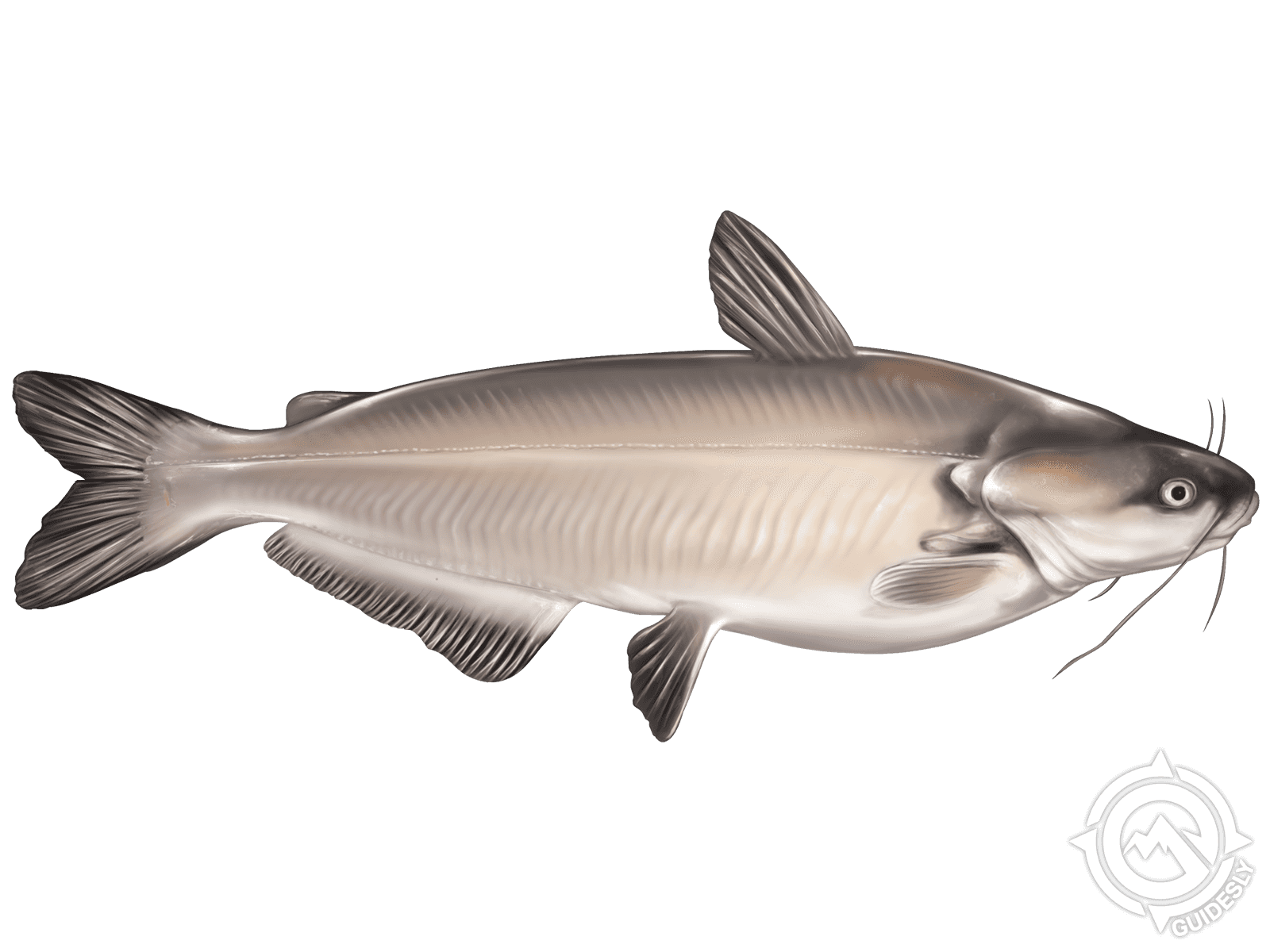
Blue Catfish
Blue catfish are the giants of North American catfish, averaging 25-46 inches and can hit over 80 pounds. They're slate-blue with a deeply forked tail and that telltale squared-off anal fin. These opportunistic hunters eat everything - crawfish, mussels, baitfish, even Asian carp. You'll find them in deep holes with muddy bottoms, especially near creek channels. They're not picky about brackish water either, which helps them thrive. What guests love is the serious fight these fish put up - they're strong and stubborn. The meat quality is excellent too. Blues feed aggressively when conditions are right, making them reliable targets for a full day trip. They'll hit cut bait like herring or chicken liver fished on the bottom. Here's my go-to trick: let your bait sink completely and wait for 1-2 solid nibbles before setting the hook. These fish are cautious but once they commit, hang on tight.
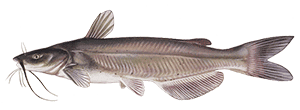
Flathead Catfish
Flathead catfish are the second-largest freshwater catfish in North America, commonly reaching 3-4 feet and over 100 pounds. Their olive-yellow bodies with black spots and that signature flat head make them easy to identify. Unlike other cats, flatheads demand live bait - they want to see their prey move. These predators hunt bluegill, perch, even smaller catfish in deep pools and slow-moving river sections. They stick to areas with good cover like fallen trees or rock ledges during daylight hours. What draws anglers is the combination of size potential and superior meat quality - many consider flathead the best-tasting catfish. They fight hard and smart, using their bulk and the structure to their advantage. The challenge is getting them to commit since they're more selective feeders. My local tip: use a live bluegill on a heavy rod with at least 50-pound line, and fish it near fallen timber in 15-20 feet of water during evening hours.
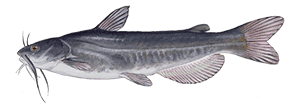
White Catfish
White catfish are the smallest of the North American catfish family, typically running half a pound to 2 pounds, though you might luck into a rare 10-pounder. They're blue-gray on top with yellowish-white bellies and distinctive white chin barbels. These bottom feeders hang around muddy lake bottoms feeding on aquatic insects, small fish, and crustaceans. Unlike their bigger cousins, white cats aren't strictly nocturnal - they'll bite during morning hours too. They prefer sluggish waters and can handle low oxygen conditions better than most fish. What makes them fun to target is their rarity - most anglers consider them a prize catch. They taste great on the table with sweet, mild meat. My tip: use worms or chicken liver on a bottom rig, but keep your bait slightly off the bottom so they can detect it better than if it's buried in the mud.
About the SeaArk Pro Cat 240
%2F%2Fusers%2Fcce05566-e148-4b80-9c24-6ba6ba5fcede%2Fvehicle_picture%2Fboat-mkbxhg0a.jpg&w=1920&q=75)
Vehicle Guest Capacity: 7
Manufacturer Name: Suzuki
Maximum Cruising Speed: 45
Number of Engines: 1
Horsepower per Engine: 200