%2Ffit-in%2F250x250%2Fguide_websites%2F72813%2Fimages%2F1768272041333unnamed.jpg&w=1920&q=100)
/users/cce05566-e148-4b80-9c24-6ba6ba5fcede/ratecard/524366966_122249178614206123_847887496546612077_n-mkbykmyc.jpg)
%2F300x300%2Fusers%2Fcce05566-e148-4b80-9c24-6ba6ba5fcede%2Fratecard%2F524366966_122249178614206123_847887496546612077_n-mkbykmyc.jpg&w=256&q=75)
%2F300x300%2Fusers%2Fcce05566-e148-4b80-9c24-6ba6ba5fcede%2Fimages%2Fwalton-catfish-catch-2798.jpg&w=256&q=75)
%2F300x300%2Fusers%2Fcce05566-e148-4b80-9c24-6ba6ba5fcede%2Fimages%2Fblue-catfish-caught-in-walton-2728.jpg&w=256&q=75)
%2F300x300%2Fusers%2Fcce05566-e148-4b80-9c24-6ba6ba5fcede%2Fimages%2Fwhite-catfish-ks-fishing-2742.jpg&w=256&q=75)
%2F300x300%2Fusers%2Fcce05566-e148-4b80-9c24-6ba6ba5fcede%2Fimages%2Fchannel-catfish-fishing-ks-2796.jpg&w=256&q=75)
%2F300x300%2Fusers%2Fcce05566-e148-4b80-9c24-6ba6ba5fcede%2Fimages%2Fwhite-catfish-caught-ks-2702.jpg&w=256&q=75)
%2F300x300%2Fusers%2Fcce05566-e148-4b80-9c24-6ba6ba5fcede%2Fimages%2Fblue-catfish-walton-2744.jpg&w=256&q=75)
%2F300x300%2Fusers%2Fcce05566-e148-4b80-9c24-6ba6ba5fcede%2Fimages%2Fblue-catfish-walton-fishing-2777.jpg&w=256&q=75)
%2F300x300%2Fusers%2Fcce05566-e148-4b80-9c24-6ba6ba5fcede%2Fimages%2Fblue-catfish-kansas-fishing-2744.jpg&w=256&q=75)
%2F300x300%2Fusers%2Fcce05566-e148-4b80-9c24-6ba6ba5fcede%2Fimages%2Fblue-catfish-walton-fishing-2780.jpg&w=256&q=75)
%2F300x300%2Fusers%2Fcce05566-e148-4b80-9c24-6ba6ba5fcede%2Fimages%2Fbest-great-fishing-walton-2661.jpg&w=256&q=75)
Extended Catfish Walleye Trip Milford Lake KS
 Milford Lake
What you will be catching:
 Blue Catfish
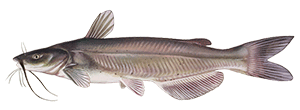 Flathead Catfish
 White Catfish
- 6-hour guided catfish expedition targeting blue cats and flatheads
- Complete equipment package included with expert local techniques
- Private charter accommodates up to 2 anglers on SeaArk Pro Cat
Trip Pricing and Availabilities:
Extended Half Day Catfish Trip - Milford Lake
Guide Merlyn knows where the big cats hang out on Milford Lake, and he's ready to put you right on top of them. This 6-hour private fishing adventure gives you serious time to work the most productive catfish spots on Kansas's largest reservoir. Whether you're bringing the kids for their first taste of catfish action or you're a seasoned angler looking to boat some heavy flatheads and blues, this trip delivers the goods. You'll fish from a spacious SeaArk Pro Cat 240 that's built for comfort and designed specifically for catfish work. With morning and afternoon departure options, you can pick the schedule that works best for your group.
What to Expect on the Water
Your day starts when you meet Guide Merlyn at the launch, where he'll get you situated on his top-rated SeaArk Pro Cat 240. This boat is a customer favorite for good reason - it's roomy enough for two anglers to fish comfortably without getting in each other's way, plus it handles Milford's big water with ease. Merlyn provides all the rods, reels, and tackle you'll need, along with fresh bait that Kansas catfish can't resist. He'll share local techniques and help beginners get the hang of catfish fishing while keeping experienced anglers on fish all day. The extended 6-hour format means you're not rushed - there's plenty of time to hit multiple spots, adjust tactics based on what the fish are doing, and really get into the rhythm of serious catfish angling. All you need is a valid Kansas fishing license, some snacks and drinks for the boat, and you're set for a world-class day on the water.
Techniques & Tackle Setup
Milford Lake catfish fishing is all about reading the structure and putting your bait where the big fish feel comfortable feeding. Guide Merlyn uses a mix of bottom fishing techniques, targeting creek channels, timber piles, and rocky points where blues and flatheads like to ambush prey. He'll set you up with medium-heavy rods that have the backbone to handle hefty catfish but still let you feel every tap and run. Circle hooks are the standard here - they hook fish solidly and make catch-and-release much safer for the fish. Depending on conditions and what the fish want, you might be fishing cut bait for blues or working live bait near structure for trophy flatheads. Merlyn reads the electronics constantly, looking for baitfish schools and bottom structure that holds cats. The best part is he handles all the technical stuff while teaching you the finer points, so you learn something new while staying focused on the fishing action.
Species You'll Want to Hook
Blue catfish are the bread and butter of Milford Lake, and they're here in serious numbers. These silver-blue fighters typically run 2-15 pounds, with some real heavyweights pushing 30+ pounds or more. Blues are active feeders that school up around baitfish, making them fairly predictable once you understand their patterns. They hit hard and make strong runs, giving you a real workout on medium tackle. Spring through fall offers the best blue cat action, though they'll bite year-round when you find them in the right spots. What makes blues special is their willingness to feed during daylight hours and their habit of traveling in schools - when you find one, there are usually more nearby.
Flathead catfish are the true trophy fish of Milford Lake. These olive-brown predators are ambush specialists that can reach massive sizes - 20 to 40-pounders are caught regularly, and fish over 50 pounds swim in the lake's deeper holes. Flatheads prefer live bait and typically feed more actively from late evening through early morning, though daytime fishing near heavy cover can produce fish. They're solitary hunters that relate to structure like fallen trees, rock piles, and deep creek bends. Landing a big flathead is a memorable experience - they're powerful fish that use their broad tails and heavy bodies to wage serious battles. The combination of their size potential and fighting ability makes them a renowned target for serious catfish anglers.
White catfish round out the mix and provide consistent action when the bigger species are finicky. These smaller cousins typically run 1-3 pounds and have a more delicate flavor than their larger relatives. They're scrappy fighters for their size and often save the day when blues and flatheads aren't cooperating. White cats are less picky about bait and will hit both cut bait and live offerings. They tend to school up in shallower areas and are especially active during warmer months. While they might not have the size of blues and flatheads, white catfish are fun to catch and excellent table fare, making them a welcome addition to any Milford Lake fishing trip.
Time to Book Your Spot
Milford Lake's catfish population is trending stronger every year, and Guide Merlyn's extended half-day trips give you the best shot at experiencing world-class Kansas catfishing. The 6-hour format lets you really get into the fishing without feeling rushed, while the private charter setup means the day revolves around what you want to accomplish. Whether that's introducing kids to the sport, working on specific techniques, or just enjoying a relaxing day catching fish with a friend, this trip delivers. Merlyn's local knowledge and patient instruction style make this an ideal choice for mixed-skill groups, and his track record speaks for itself. Don't wait too long to secure your dates - the best catfish months fill up fast, and you'll want to experience this customer-favorite trip when conditions are prime for big fish.
Learn more about the animals
Blue Catfish
Blues are the giants of Milford Lake - we're talking fish that average 25-46 inches and can push 80+ pounds. They're slate-blue colored with deeply forked tails and have that distinctive squared-off anal fin. These are opportunistic feeders that'll eat just about anything - crawfish, shad, frogs, you name it. They hang in deeper holes and channels, especially around muddy bottoms where the current slows down. What guests love most is the fight - these fish are absolute tanks once hooked. The meat quality is excellent too, firm and mild. They bite year-round but really turn on in warmer months. You'll find them scavenging under schools of feeding stripers pretty regularly. My go-to trick is using fresh-cut shad or skipjack on the bottom near drop-offs. Let that blood trail work its magic and be ready for a battle when they pick it up.
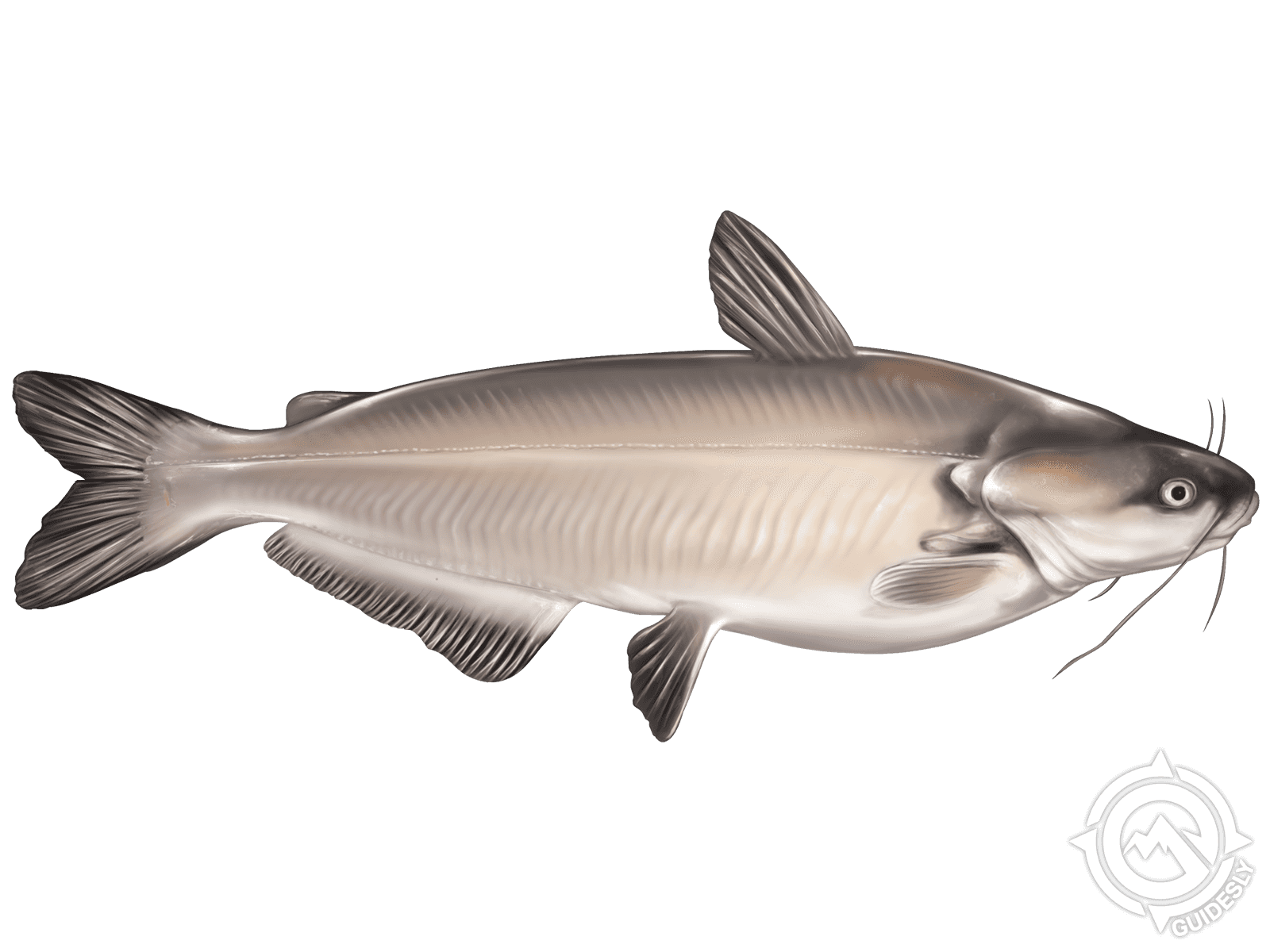
Flathead Catfish
Flatheads are the prize fish of our lake - these olive-colored cats with their trademark flat heads can easily hit 3-4 feet and push over 100 pounds. What sets them apart from other catfish is they want live bait only. No stink baits or cut stuff - they want to see their meal wiggling. We target them in the deeper pools and around submerged timber where they ambush prey. The fight is something else, and the meat quality beats any other catfish hands down - firm, white, and sweet. They're most active in low-light conditions and really turn on during summer nights. These fish are territorial and can live over 20 years, so the big ones are truly special catches. My secret is using live bluegill or perch on a slip sinker rig near cover. Heavy tackle is a must - I recommend at least 50-pound test because these bruisers will test every knot you've got.
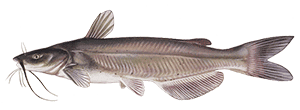
White Catfish
White catfish are the smallest of our North American cats, usually running half a pound to 2 pounds, though we occasionally see 10-pounders that really get folks excited. They're gray-blue on top with yellowish bellies and distinctive white chin whiskers. Unlike blues and channels, they don't have that black spot at the base of their dorsal fin. These bottom feeders love muddy areas where they hunt insects, small fish, and crustaceans. They're most active at dusk but will bite during daylight hours too. What makes them special is they're considered pretty rare by most anglers - landing one is always a treat. They prefer our deeper muddy flats and slower water. Pro tip: use fresh nightcrawlers or chicken liver on a slip sinker rig, and let it sit still on the bottom. Their barbels will find it.
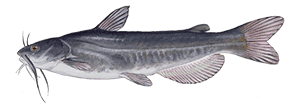
About the SeaArk Pro Cat 240
%2F%2Fusers%2Fcce05566-e148-4b80-9c24-6ba6ba5fcede%2Fvehicle_picture%2Fboat-mkbxhg0a.jpg&w=1920&q=75)
Vehicle Guest Capacity: 7
Manufacturer Name: Suzuki
Maximum Cruising Speed: 45
Number of Engines: 1
Horsepower per Engine: 200